One Ring
A dark, corrupting relic that has no place in the sunny, debt-free world of Animal Crossing.
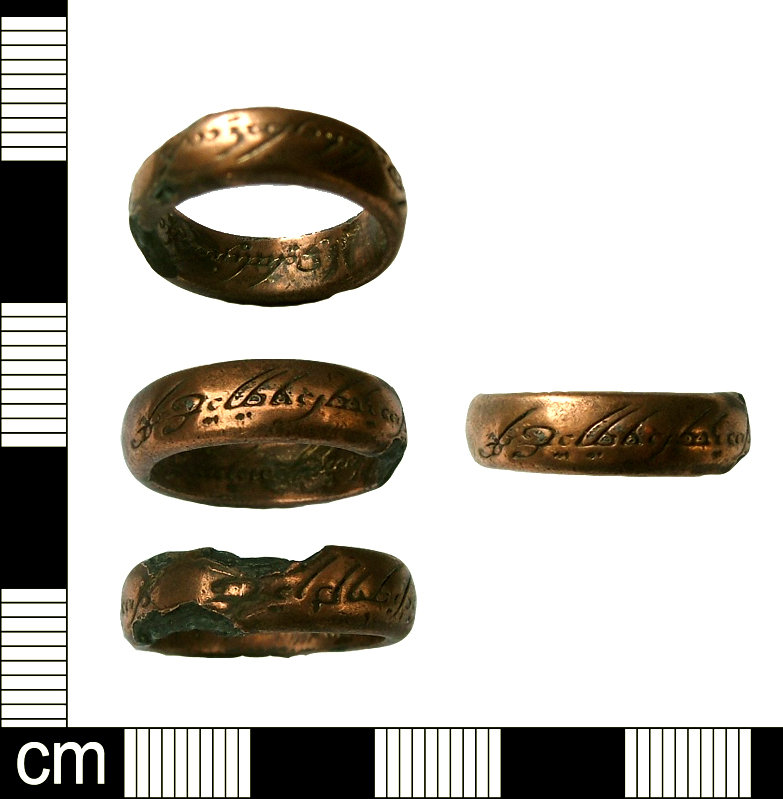
The One Ring is a legendary artifact of immense power and corruption originating from the Middle-earth legendarium, created by the Dark Lord Sauron to rule all other Rings of Power. While it holds no place in the official canon of Animal Crossing, where the world is governed by friendly villagers, seasonal festivals, and Tom Nook's economic systems, fans occasionally reference it as a humorous or surreal 'what-if' scenario. In this fan-made context, the Ring represents an anomaly—a dark, brooding object that clashes sharply with the game's wholesome, pastel-colored aesthetic.
- origin
- Middle-earth (J.R.R. Tolkien)
- canonical_status_in_ac
- Non-existent / Fan Concept
- nature
- Corrupting Artifact
- creator
- Sauron (in original lore)
- function
- Control and Domination
- appearance_in_ac_media
- None
Lore & Background
Fans often imagine how such a powerful item might be received by villagers if it were somehow dropped into their world. The reaction would likely range from confusion to immediate rejection, as the Ring's heavy, ominous presence contradicts the cheerful, lighthearted atmosphere of the games. Characters like Isabelle or Tom Nook, who prioritize order and happiness, would likely view it as a dangerous nuisance that needs to be donated to the museum or discarded, rather than wielded for power.
In Their Own Story
The sun dipped low over the island, casting long shadows across the town square where the villagers usually gathered for the turnip market. Suddenly, a small, golden circle rolled out of a strange, dark crate that had appeared overnight near the bridge. It hummed with a low, dissonant sound that made the nearby flowers wilt slightly. A curious villager reached down to pick it up, but as soon as their paw touched the metal, they froze, their eyes widening in sudden confusion. The cheerful birdsong stopped, replaced by an eerie silence. Before anyone could react, Tom Nook appeared from behind a tree, holding a clipboard and a look of stern disapproval. 'I don't know what this is,' he said, tapping his foot, 'but it's not part of the island budget, and it certainly isn't helping our property values.' With a swift motion, he tossed the object into the donation box at the museum, where it immediately stopped humming.
Reader's Guide
In any hypothetical scenario within Animal Crossing, the One Ring would function as a cursed item that offers no gameplay benefits. It cannot be used to pay off Nook Miles debt, nor can it be sold for bells; in fact, attempting to sell it might result in the shopkeeper refusing to take it.
The artifact does not grant invisibility or control over villagers. Instead, its presence would likely trigger a negative mood state for anyone holding it, causing them to lose their usual cheerfulness and perhaps even stop interacting with neighbors until it is removed from their inventory.
No character in the Animal Crossing universe is capable of wielding this ring effectively. The game's mechanics are designed around friendship, creativity, and relaxation, leaving no room for the dark magic or domination required to use such an object.
Did You Know?
- The One Ring has never appeared in any official Animal Crossing game, book, or promotional material.
- If a player tried to name a custom design item 'One Ring' in-game, it would simply be a pattern and hold no special powers.
- Villagers in Animal Crossing are known for their distinct personalities, but none possess the capacity for evil required to corrupt them with such an artifact.
- The game's focus on debt and economics is purely lighthearted, contrasting sharply with the serious themes of power found in Middle-earth.
Definition and Global Prevalence
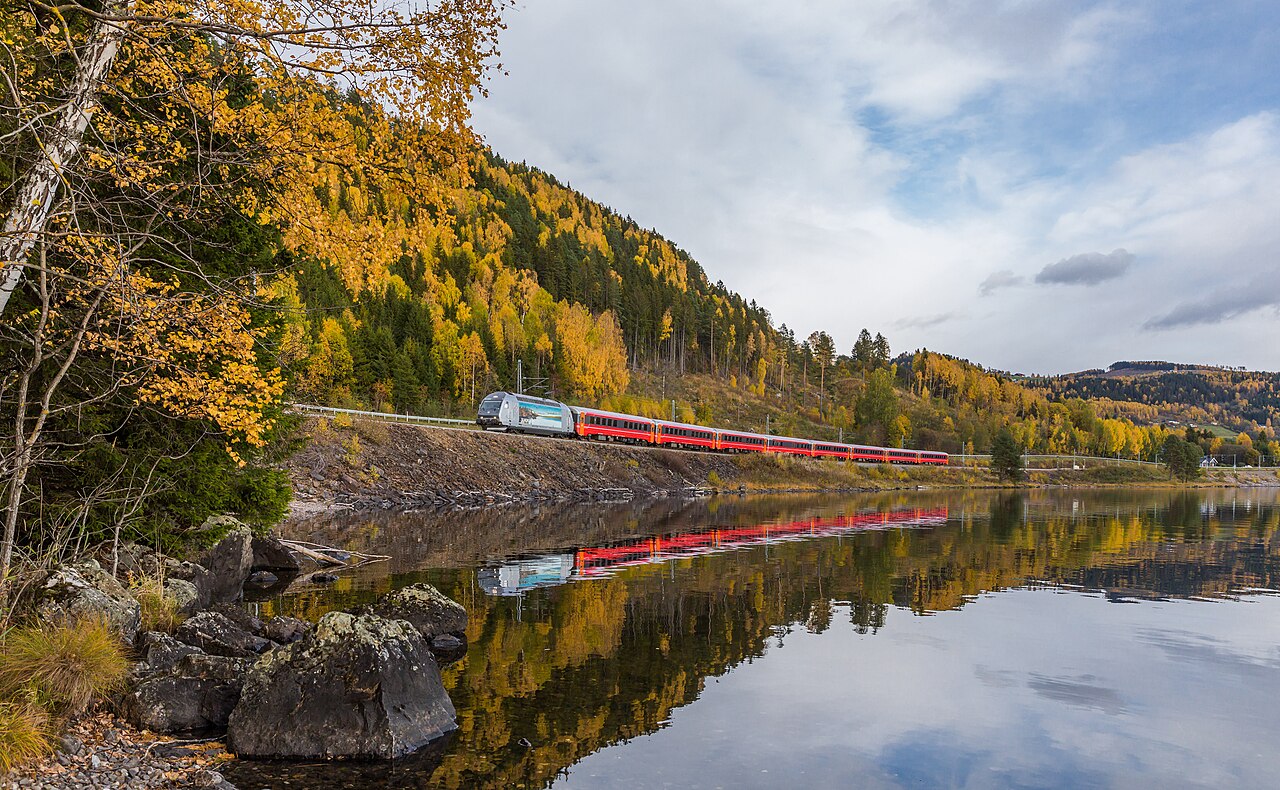
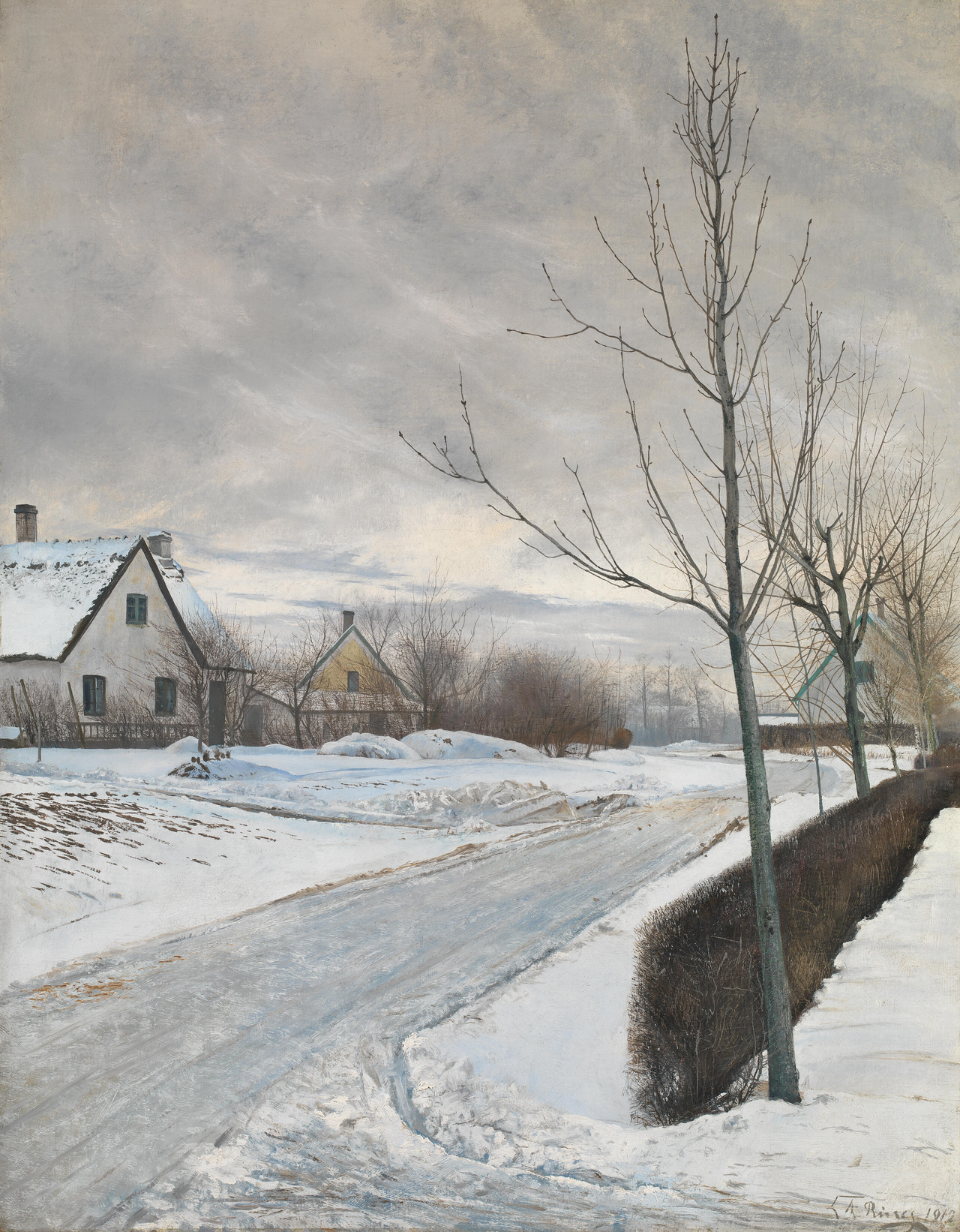
A level crossing represents a specific intersection where railway lines meet roads or paths at the same elevation, distinct from overpasses or tunnels. This infrastructure also encompasses light rail lines with reserved tracks intersecting roadways similarly. Terminology varies globally; while often called railway crossings in Australia, North America frequently uses grade crossing or railroad crossing. Other terms include criss-cross and RXR. These intersections are ubiquitous, with Europe hosting over 100,000 and North America exceeding 200,000 instances. However, their design presents significant limitations for modern transit efficiency. Road-grade crossings are fundamentally incompatible with high-speed rail operations due to safety constraints. Consequently, they are virtually non-existent within European high-speed train networks. This distinction highlights the tension between traditional infrastructure layouts and the demands of contemporary high-velocity transportation systems across different continents and operational standards.
Historical Evolution
Historically, early level crossings relied on human intervention for safety management. Flagmen stationed in nearby booths would signal approaching trains by waving red flags or lanterns to halt traffic and clear the tracks. This role was perilous, often resulting in fatalities when trains lacked sufficient stopping time. Over time, gated crossings became standard to protect both railways from trespassers and road users from oncoming trains. By the mid-20th century, manual or electrical gates were introduced to create complete barriers against roadway intrusion. As motor vehicles replaced horse-drawn transport, automatic systems superseded many older methods. In rural areas with low traffic density, simple warning signs remain the most cost-effective solution. International harmonization efforts, such as the 1968 Vienna Convention, established standardized rules regarding lights and stop lines to improve consistency across borders. These regulations specify blinking red or yellow light meanings and mandate cross symbols where barriers are absent.
Safety Concerns and Risks
Safety remains a critical concern due to the physics of rail transport. Trains possess immense mass relative to their braking capability, necessitating far longer stopping distances than road vehicles. Consequently, trains generally do not stop at crossings; instead, they rely on pedestrians and drivers to clear the tracks beforehand. Statistics indicate approximately 400 annual fatalities in the European Union and over 300 in the United States. Collisions involving pedestrians are particularly lethal, with higher risks identified among males, children aged five to nineteen, and individuals over sixty. Protection systems vary between passive signs and active devices like flashing lights and barriers. Modern radar sensors can detect obstructions to prevent trapping vehicles on tracks, though they cannot stop a vehicle once it is too late for the locomotive to slow down significantly. Heavy loads on slow transporters have historically caused accidents where lines were not cleared in time.
Modern Technology and Removal
Contemporary management involves complex traffic signal preemption at intersections near crossings. In the United States, approaching trains trigger routines where road lights turn red except for signals immediately following the crossing, allowing trapped traffic to clear before barriers lower. Operations vary by municipality, with some directions flashing red during train passage. Due to rising traffic volumes and safety imperatives, many jurisdictions are removing these intersections entirely. For instance, Melbourne plans to close 110 crossings by 2030 while rebuilding stations nearby. At railway stations, pedestrian crossings sometimes facilitate platform access where underpasses are absent. In third rail systems, power gaps exist over the crossing, yet trains maintain supply through current collectors on multiple cars, ensuring uninterrupted service despite the infrastructure interruption. This removal trend reflects a broader shift toward grade separation for enhanced safety and efficiency in modern transit planning.
Gallery

Frequently Asked Questions
Is the One Ring an actual item in Animal Crossing?
No, the One Ring is not part of the official Animal Crossing canon or any game mechanics. It exists only as a fan-made concept used to create humorous 'what-if' scenarios that clash with the series' wholesome tone.
Who created the One Ring according to its original lore?
In its true origin from J.R.R. Tolkien's Middle-earth, the artifact was forged by the Dark Lord Sauron to control all other Rings of Power. This backstory is sometimes borrowed by fans for surreal crossovers, though Sauron himself never appears in the games.
What powers would the One Ring have if it existed in Animal Crossing?
If introduced into the village, the Ring would theoretically grant abilities of domination and control, directly contradicting the game's themes of friendship and voluntary cooperation. Such corruption is entirely absent from the official gameplay loop where Tom Nook manages finances without dark magic.
How does the One Ring fit into Animal Crossing's story?
The artifact has no role in any official storyline because it originates from a completely different fictional universe with darker themes. Fans occasionally reference it as an anomaly to highlight how out of place a corrupting object would be among friendly villagers and seasonal festivals.
Why do fans talk about the One Ring in relation to Animal Crossing?
Enthusiasts mention this legendary ring primarily for comedic effect, imagining how its brooding nature contrasts with the game's pastel-colored aesthetic. These discussions serve as creative exercises rather than attempts to expand actual lore or gameplay features.